GM’s latest EV recall concerns an everyday maneuver: braking during a slow, sharp turn over uneven ground. The company says a software defect can briefly interrupt braking in specific conditions. The repair is free, with an important rollout caveat for early Lyriqs.
Start with the VIN, then ask about the fix
Search the vehicle’s VIN at NHTSA.gov/recalls and give the dealer campaign 26V717 or GM number N262570900. NHTSA says affected VINs became searchable October 29. Ask whether the campaign is open, whether the correct software is available for that VIN and how completion will be recorded.
Which vehicles are included
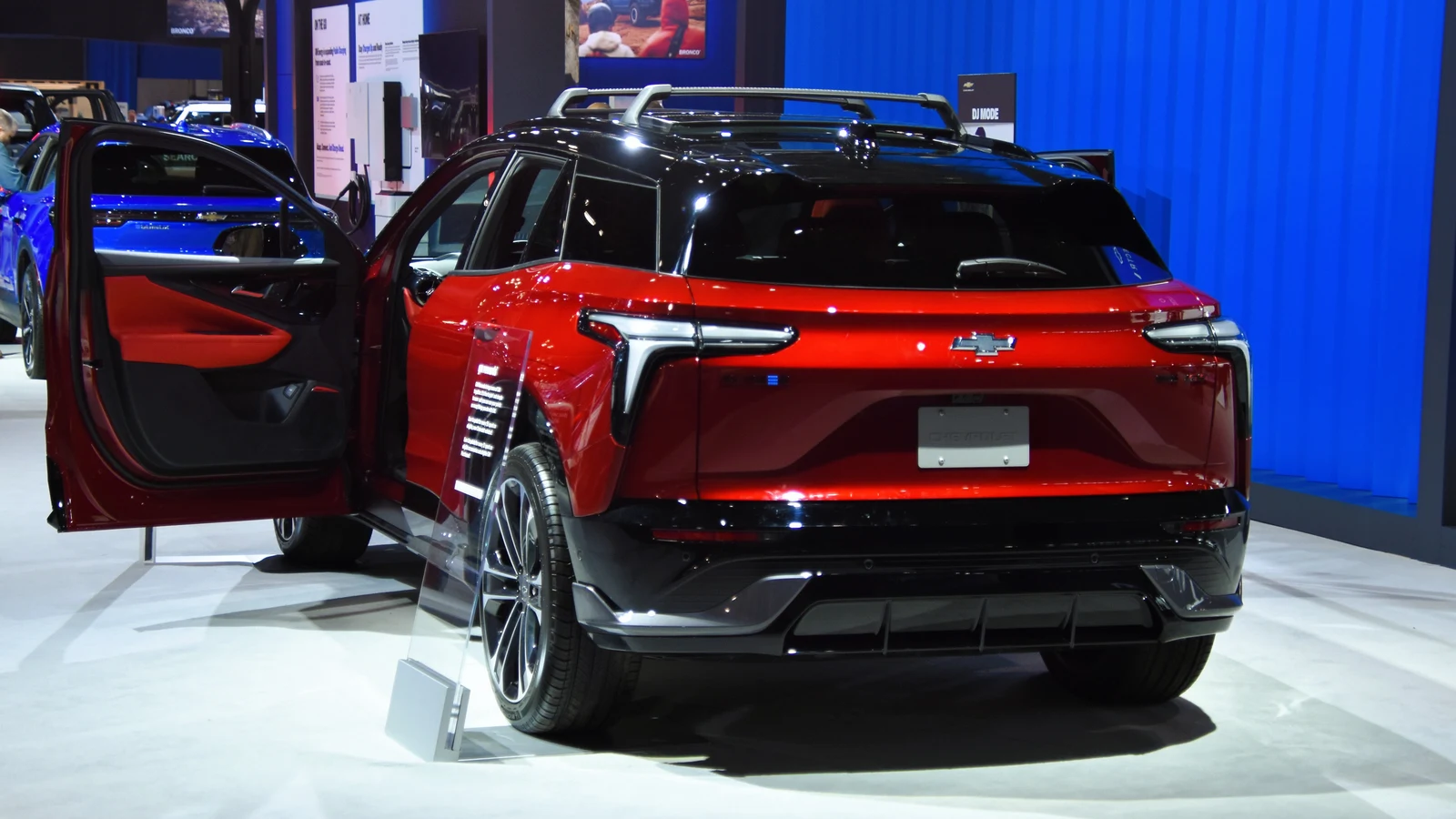
The filing covers certain 2023 to 2027 Cadillac Lyriqs, 2025 to 2026 Celestiqs, 2026 to 2027 Vistiqs and 2024 to 2027 Chevrolet Blazer EVs. The Lyriq and Blazer descriptions specifically require performance all-wheel drive, identified by GM as pAWD, RPO X0E. For the Blazer, that configuration belongs to SS and Police Pursuit versions. A badge, photograph or model-year match cannot confirm an individual vehicle’s status.
The numbers, and how sure we are
These are the U.S. filing’s model and configuration limits. Confirm eligibility and current repair status by VIN; the table is not a list of every affected individual vehicle.
| Item | What we know | Status | Source |
|---|---|---|---|
| U.S. recall population | 67,380 vehicles | Confirmed | GM: 26V717 defect report |
| Cadillac Lyriq | Certain 2023 to 2027 performance-AWD vehicles | Confirmed | GM: 26V717 defect report |
| Cadillac Celestiq | Certain 2025 to 2026 vehicles | Confirmed | GM: 26V717 defect report |
| Cadillac Vistiq | Certain 2026 to 2027 vehicles | Confirmed | GM: 26V717 defect report |
| Chevrolet Blazer EV | Certain 2024 to 2027 SS / Police Pursuit performance-AWD vehicles | Confirmed | GM: 26V717 defect report |
| Campaign | NHTSA 26V717 / GM N262570900 | Confirmed | NHTSA: 26V717 acknowledgement |
The filing, the notice and the repair
GM files the recall Dealer notice describes a phased rollout; early Lyriq software was not yet available. GM: phased launch and early Lyriq remedy status
NHTSA acknowledges the campaign The acknowledgement lists a free software remedy. NHTSA: 26V717 acknowledgement
Owner letters expected to begin Planned notification date, not proof of receipt or a repair appointment. NHTSA: 26V717 acknowledgement
Why a driveway matters
GM describes a sequence involving light braking, low speed, a sharp turn and a bump or depression. A brief release and reapplication of the brakes can cause the software to misread wheel movement and temporarily interrupt braking. GM says normal braking returns with the next brake press. That describes the defect; it is not a substitute for the recall repair or vehicle-specific safety instructions.
The company identified 24 potentially related field complaints received from February 28, 2024, through June 11, 2026. They included 20 minor accidents, two with allegations of minor injuries. Those are GM’s reported findings, rather than an independently established count of incidents caused by this defect.
The update is free. Availability needs checking.
The remedy updates the brake system control module. Eligible vehicles can receive it over the air if the owner has accepted the applicable terms; a GM dealer is the alternative. NHTSA lists December 14 as the expected start of owner letters.
GM’s October 29 dealer notice calls this a phased launch. It placed affected 2023 to 2024 Lyriqs in a remedy-not-available status and on stop delivery until software becomes available. That is the status in the dated notice, not a live check of your car today. Ask Cadillac for the current position before planning a repair or taking delivery. A dealer stop-delivery instruction should not be recast as a new owner do-not-drive order.
Owners who remember the 2024 Lyriq brake recall should check again. GM says this specific condition was not addressed by that earlier remedy. The new software addresses both conditions for the vehicles involved.
The van recall is a separate problem
GM also filed campaign 26V718 for 12,715 Chevrolet Express and GMC Savana vans from model years 2025 to 2026. A steering-gear nut may be insufficiently tightened; separation can cause loss of steering control. The remedy is an inspection of the steering-gear serial number and replacement where required. Some vehicles previously inspected under 26V399 need another inspection.
Adding the two filed populations produces the 80,095 figure in broader headlines. It does not make the vans part of the EV brake recall. Use the campaign for the vehicle you own, and ask for the repair record when buying used.
Your questions, answered
Does an earlier Lyriq brake update cover this recall?
GM says this condition was not addressed by the remedy for 24V589. Check the VIN for 26V717 even if an earlier brake update was performed.
Can every affected car receive the update today?
Do not assume so. GM’s October 29 notice said the 2023 to 2024 Lyriq software was not yet available. Ask the dealer for the current VIN-specific status and update route.
Will the recall repair cost anything?
The brake-control software update is free under the recall. Eligible vehicles can receive it over the air after the applicable terms are accepted; a GM dealer is the alternative. Confirm availability for the individual VIN.
Check the VIN for 26V717 and confirm the current software availability. Follow the manufacturer’s instructions and keep evidence of completed recall work.
Sources
- Manufacturer filing; October 29, 2026GM: 26V717 defect report
- Government acknowledgement; November 3, 2026NHTSA: 26V717 acknowledgement
- Dealer notice DCS7604; October 29, 2026GM: phased launch and early Lyriq remedy status
- Manufacturer filing; October 29, 2026GM: separate Express and Savana recall 26V718
- Government recall lookup and limitations; checked November 4, 2026NHTSA: check a VIN and understand the results
- Image source; CC0 1.0 public-domain dedication.Charles: Blazer EV SS photograph
Reported by Nora Hayes. Published November 5, 2026; last updated November 5, 2026. Facts can develop after publication: open a source for its latest status. How we report.